
Hey there, fellow Amarillo homeowner. My name’s [Your Name], and for the better part of a decade, I’ve been in the trenches, helping folks just like you navigate the often-intimidating world of home electricity. I’ve seen it all—from the knob-and-tube wiring in charming, historic homes near the downtown area to the sleek, modern systems in the sprawling new builds out in The Colonies. And if there’s one truth I’ve learned, it’s this: your electrical system has a language of its own. It’s constantly talking to you, and my job is to teach you how to listen.
Too many people dismiss the little whispers and warnings their system sends out, chalking them up to “old house quirks.” But here’s the hard truth: in the world of electricity, there are no quirks. There are only warning signs. Ignoring them can lead to costly repairs at best, and at worst, a devastating fire. As an expert specializing in electrician repair service in Amarillo, TX, I want you to feel empowered, not fearful. This guide is my brain dump of everything you need to know. We’ll cover the signs that scream “call a pro,” how to choose the right one, what to expect during common repairs, and how to protect your biggest investment—your home. Let’s get started.
Understanding Your Home’s Electrician Repair Service in Amarillo, TX
Before we dive into the warning signs, let’s pop the hood and understand the basic components of your home’s electrical system. Knowing what these parts are and what they do is the first step toward identifying a problem. Think of it like knowing the difference between your car’s engine and its transmission. You don’t need to be a mechanic, but you should know what’s what.
How Your Circuit Breaker Panel Works and Why It Trips
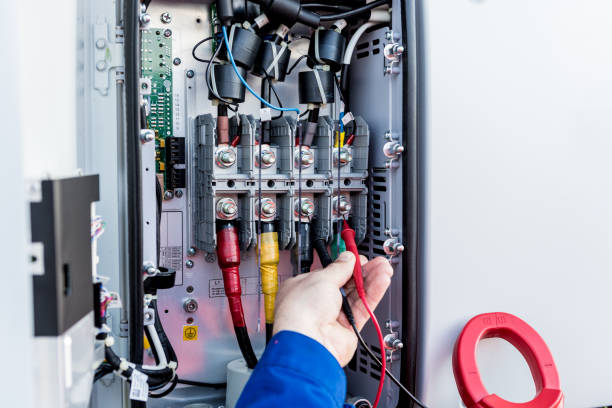
Your circuit breaker panel is the heart of your home’s electrical system. It’s that gray metal box, usually in your garage, utility room, or basement. Its job is twofold: it distributes power from the utility line to all the different circuits in your house, and more importantly, it protects those circuits.
Each switch inside that panel is a circuit breaker. It’s a safety device designed to monitor the flow of electrical current (amperage). If the current on a specific circuit exceeds a safe level, the breaker “trips” (flips to the off position), cutting power to that circuit. This prevents the wires from overheating and potentially causing a fire. A trip is usually caused by one of three things: an overloaded circuit (too many appliances running at once), a short circuit (a hot wire touches a neutral wire), or a ground fault (a hot wire touches a grounded part of the system). A breaker that trips is doing its job. A breaker that trips constantly is a cry for help.
The Difference Between Wiring Types in Old and New Texas Homes
The wiring running through your walls is the vascular system of your home. In newer Amarillo homes, especially in neighborhoods like City View, you’ll find modern Romex® wiring. This is a non-metallic (NM) sheathed cable, typically with a white or yellow plastic jacket, containing a hot wire, a neutral wire, and a bare copper ground wire. It’s the standard for safety and efficiency today.
However, if you live in an older home, you might have something different.
- Knob-and-Tube (K&T): Common in homes built before the 1950s. It consists of individual copper conductors running through porcelain “knobs” and “tubes.” The biggest issue with K&T is the lack of a ground wire, which is a major safety risk for modern appliances. It also becomes brittle over time.
- Aluminum Wiring: Used briefly in the ’60s and ’70s. Aluminum is more prone to oxidation and corrosion at connection points than copper, which can create loose connections, overheating, and a serious fire hazard.
If you suspect you have older wiring, a professional wiring inspection is not just a good idea; it’s essential for your safety.
Warning Signs Your Electrical Panel is Dangerously Outdated
That gray box in your garage doesn’t last forever. An outdated or failing electrical panel is one of the biggest electrical dangers in a home. Here are signs you need an electrical panel upgrade in Amarillo:
- It’s a Fuse Box: If you have a box with round, screw-in fuses instead of switches, it’s ancient. These are not designed for the electrical loads of a modern home.
- Brand Names like Federal Pacific (FPE) or Zinsco: These panels were once popular but are now known to have major design flaws, with breakers that may fail to trip when they should. If you have one, it needs to be replaced immediately.
- Constant Tripping: As mentioned, if breakers trip all the time, the panel may be undersized for your needs.
- Rust or Corrosion: Any sign of moisture is a huge red flag. Water and electricity are a deadly combination.
- A Crackling Sound or Burning Smell: This is an emergency. Call a 24/7 electrician right away.
The Importance of Proper Grounding for Your Family’s and Appliances’ Safety
The ground wire is the unsung hero of your electrical system. It’s a safety line. In a properly functioning system, electricity flows in a loop from the panel, through the hot wire to power your device, and back to the panel through the neutral wire.
If there’s a fault—say, a frayed wire inside your metal toaster touches the casing—the entire metal body of the toaster can become energized. Without a ground wire, that electricity has nowhere to go until you touch it, turning you into the path to the ground. This is how severe electrical shocks happen.
With a proper ground, that stray electricity has a safe, low-resistance path back to the panel via the ground wire. This causes a massive surge of current that instantly trips the breaker, cutting off the power and preventing a shock. It’s a critical safety feature that’s missing in many older Amarillo homes.
Understanding Local Electrical Codes in Amarillo
Electrical codes, like the National Electrical Code (NEC) which Texas adopts, are not just bureaucratic red tape. They are a set of rules for electrical installation that have been learned through decades of experience, often written in response to tragedies. Adhering to code ensures your system is safe. In Amarillo, you need permits for most significant electrical work, like a panel upgrade or rewiring a room. A qualified certified electrician near me will not only know these codes inside and out but will also handle all the necessary permitting and inspections with the city, ensuring your project is done right and, most importantly, safely.
How Texas Weather (Storms & Heat) Can Wreak Havoc on Your Electrical System
We Amarillo residents know our weather is anything but boring. The intense summer heat and the violent thunderstorms can both put immense strain on your electrical system.
- Heat: High ambient temperatures, especially in an attic where wiring is often run, can reduce the wire’s ability to carry current safely, making overheating more likely. It also makes your AC unit work overtime, putting a massive, sustained load on your electrical panel.
- Lightning: A nearby lightning strike can send a massive power surge through utility lines and into your home, frying sensitive electronics in an instant. This is why whole-home surge protection is a wise investment in our part of the country.
- Wind & Ice: High winds and ice storms can damage the overhead service drop—the main power line running from the utility pole to your house. Always visually inspect this line after a major storm. If it looks damaged or is hanging low, stay far away and call your utility company and an electrician immediately.
When Do You Need to Call an Electrician Repair Service in Amarillo, TX? The Signs You Can’t Afford to Ignore
Now that you know the basics, let’s talk about the specific symptoms. Your home will tell you when something is wrong. Your job is to listen and act. Ignoring these signs is a gamble you should never take with your family’s safety. As a seasoned pro in electrician repair service in Amarillo, TX, these are the calls I get every day—and the ones I wish I’d gotten sooner.
Flickering or Dimming Lights: A Simple Annoyance or a Serious Hazard?
Let’s break down this classic scenario. You’re in your kitchen in your Sleepy Hollow home, you fire up the microwave, and the overhead lights dim for a second. Or maybe the lamp in your bedroom flickers intermittently for no apparent reason. Is it time to panic?
The answer is: it depends.
If the lights dim only when a large, high-draw appliance kicks on (like your central AC unit, a space heater, or a vacuum cleaner), you’re likely witnessing a normal voltage drop. The circuit your lights are on is experiencing a sudden, heavy demand for power. If this is an infrequent occurrence, it’s usually not a cause for immediate alarm. However, if it happens constantly, or if the lights dim severely, it could be a sign that the circuit is overloaded or, more seriously, that your main electrical service is undersized for your home’s needs. This is very common in older homes that weren’t built with modern, power-hungry appliances in mind.
Random flickering, however, is a different beast entirely. If lights are flickering without any obvious trigger, that’s a big red flag. This often indicates a loose electrical connection or an “arc fault” somewhere in the circuit. That loose connection could be at the light switch, in an outlet, in a junction box in the ceiling, or even back at the breaker panel. These loose connections generate immense heat and can easily ignite surrounding materials like wood or insulation. This is not something to put on the back burner. If you’re seeing random flickering, you need a professional inspection, pronto.
H3: Breakers That Constantly Trip: What Your Electrical System is Trying to Tell You
Think of your circuit breaker as the loyal guardian of your electrical system. Its job is simple but vital: monitor the flow of current, and if that flow exceeds a safe level, it “trips,” cutting power to that circuit to protect it from overheating and potential fire.
So, when a breaker trips, it’s doing its job. If you plug a toaster, a coffee maker, and an electric griddle into the same outlet and the breaker trips, that’s not a system failure; that’s an overloaded circuit. The solution is simple: spread your appliances out over different circuits.
The real trouble starts when a breaker trips repeatedly with no obvious overload. If you reset the breaker and it immediately trips again, or trips after a short time with little to no load, you have a deeper problem. This could be due to:
- A Short Circuit: This is a dangerous situation where a “hot” wire makes contact with a neutral wire or a ground wire. This creates a low-resistance path for electricity, causing a massive surge of current that trips the breaker instantly.
- A Ground Fault: Similar to a short circuit, but here the hot wire is touching a grounded part of the system, like a metal junction box.
- A Bad Breaker: Just like any mechanical device, breakers can wear out and fail. They can become “weak” and trip at current levels below their rating.
Trying to “fix” a constantly tripping breaker by resetting it over and over is like hitting snooze on a fire alarm. Your system is screaming for help. Calling a reliable electrician repair service in Amarillo can pinpoint the root cause, whether it’s a faulty appliance, a wiring issue, or a breaker that needs replacing.
A Faint Burning Smell from Outlets or Switches: An Electrical Emergency
This one is non-negotiable. If you ever smell a fishy, acrid, or burning plastic smell coming from an outlet, switch, or your breaker panel, you have an active electrical hazard. Do not wait. Do not investigate it yourself.
That smell is almost always the result of plastic components overheating and melting due to a loose connection or a severe overload. This is a fire in the making. Your immediate steps should be:
- If possible and safe to do so, go to your breaker panel and shut off the breaker for that circuit.
- If you can’t identify the breaker or the smell is coming from the panel itself, shut off the main breaker that cuts power to the entire house.
- Call an emergency electrician in Amarillo immediately. Any reputable company offers 24/7 service for exactly this kind of situation.
Do not use that outlet or switch again until it has been professionally inspected and repaired. Of all the signs, this is the one that signals the most immediate danger.
Outlets That Don’t Work or Feel Loose: More Than Just an Inconvenience
We’ve all been there. You plug in your phone charger and… nothing. Or maybe the plug feels wobbly and loose in the outlet. While this might seem like a minor annoyance, it can point to bigger issues.
An outlet that doesn’t work could be due to a tripped breaker or a tripped GFCI outlet upstream. But if those are fine, it likely means there’s a loose wire or a bad connection either at the outlet itself or somewhere else along the circuit.
A loose-feeling outlet is a more obvious hazard. The metal contacts inside the outlet wear out over time. When a plug fits loosely, the electrical contact is poor. This poor connection can lead to arcing—electricity jumping the gap—which creates heat. That heat can damage the appliance you’re plugging in and, over time, can be a fire risk. The good news is that an outlet and switch repair is typically a quick and affordable electrical service for a qualified electrician.
Buzzing or Humming Sounds from Walls or the Breaker Panel
Your electrical system should be silent. If you hear a buzzing, humming, or crackling sound, you need to pay close attention. A slight hum from a large transformer or some dimmer switches can be normal, but a distinct buzz from an outlet, a switch, or your breaker panel is a clear sign of trouble.
This sound is often the literal sound of electricity arcing across a loose connection. It’s an audible warning that something is not right. Don’t just turn up the TV to drown it out. Pinpoint the source of the sound and call an electrician. A buzzing breaker, in particular, is a sign that it’s failing and needs immediate replacement.
Why You Need a Pro Electrical Inspection When Buying a Home in Puckett West or The Colonies
Buying a home is the biggest investment most of us will ever make. Whether you’re looking at a beautiful, established home in Puckett West or a newer build in a developing area, a thorough electrical inspection is crucial. A general home inspector will do a surface-level check, but they are not electricians.
A specialized electrical inspection will dive deeper. We’ll open up the panel, check the wiring, test the outlets, and look for signs of outdated or dangerous work. In an older neighborhood, we’re looking for things like ungrounded outlets, aluminum wiring, or an undersized service. In a newer neighborhood like The Colonies, you might think everything is perfect, but we’re looking for shortcuts taken by builders, improperly installed fixtures, or circuits that aren’t up to code. This inspection can save you thousands in unexpected repairs and give you invaluable peace of mind. It’s a small price to pay to ensure the safety of your new home.
Choosing the Best Electrician Repair Service in Amarillo: What to Look for in a Pro
Okay, so your lights are flickering and you’ve decided to call for help. A quick search for “electrician Amarillo TX” will give you a dizzying number of options. How do you sort through them and find a true professional you can trust with the safety of your home? It’s about more than just finding the cheapest price. Here’s my insider checklist, honed over years of seeing both great and terrible electrical work.
H3: The Non-Negotiables: Licensing and Insurance
This is the absolute, most important factor. Do not even consider hiring an electrician who cannot immediately provide you with their Texas state license number (TDLR #) and proof of insurance.
- Licensing: In Texas, electricians are licensed by the Texas Department of Licensing and Regulation (TDLR). This license proves they have met the state’s rigorous requirements for training, experience, and examination. A licensed electrician knows the current electrical codes and safety standards. Hiring an unlicensed handyman to do electrical work is a massive gamble.
- Insurance: There are two types of insurance you need to verify. Liability insurance protects your property. If the electrician accidentally causes a fire or damages your home, their insurance covers it. Workers’ compensation protects you from liability if the electrician or their employee gets injured on your property. Without it, you could be sued for medical bills. A professional company will carry both and won’t hesitate to show you their certificates.
Read Reviews and Testimonials from Your Neighbors in Sleepy Hollow and City View
In the digital age, reputation is everything. But don’t just look at the star rating. Dig into the reviews on Google, Yelp, and Angi. Look for reviews from people in your area, whether it’s Sleepy Hollow, City View, or another Amarillo neighborhood.
What are people saying? Are the reviews detailed? Look for keywords like “on time,” “professional,” “cleaned up after themselves,” “explained the problem clearly,” and “fair price.” A pattern of positive, detailed reviews is a great sign. Also, pay attention to how the company responds to negative reviews. A professional response that seeks to solve the problem is a much better sign than a defensive one or, worse, silence.
H3: “Certified Electrician Near Me”: What Do Certifications Actually Mean?
While a state license is the baseline, some electricians pursue additional certifications that demonstrate a higher level of expertise. When you search for a certified electrician near me, you might see terms like “Master Electrician.”
In Texas, there’s a clear hierarchy:
- Apprentice Electrician: Someone in training, working under the direct supervision of a Journeyman or Master.
- Journeyman Electrician: A licensed professional who has completed their apprenticeship and passed the state exam. They are fully qualified to perform most electrical work.
- Master Electrician: The highest level. A Master Electrician has been a Journeyman for at least two years, has thousands of hours of experience, and has passed an even more difficult exam. They can plan, design, and supervise complex electrical projects and pull permits.
Hiring a company that is owned or supervised by a Master Electrician ensures the highest level of knowledge is overseeing your job.
Get Clear, Itemized Estimates: Avoiding Hidden Costs
Never accept a vague estimate over the phone. A reputable electrician will often need to see the problem to diagnose it properly. They should provide you with a written, itemized estimate that breaks down the costs for labor and materials.
Be wary of anyone who gives you a rock-bottom price without a clear explanation. Some companies use this tactic to get in the door, only to “discover” other “necessary” repairs that drive the price up. A professional will explain exactly what needs to be done, why it needs to be done, and what it will cost before they start the work. This transparency is a hallmark of a trustworthy affordable electrical service.
Look for Companies That Offer Warranties on Their Work and Parts
A confident electrician stands behind their work. Ask about their warranty policy. A good company will typically offer a warranty on both their labor and the parts they install. This means if the same problem occurs within the warranty period (often a year or more), they will come back and fix it at no additional charge. A warranty is a sign of quality craftsmanship and a commitment to customer satisfaction. A company that doesn’t offer a warranty might not be confident in their own work, and that should be a red flag for you.
The Importance of Local Experience: Understanding Amarillo’s Building Stock and Climate
There’s a real advantage to hiring a company that is truly local to Amarillo. They understand the specific challenges of our area. They know the common issues in the homes in Bishop Hills versus the ones in Puckett West. They understand how the clay soil affects grounding, how the summer heat impacts attic wiring, and which building eras correspond to which types of outdated wiring. This local knowledge allows them to diagnose problems faster and more accurately. They also have established relationships with local supply houses, ensuring they can get the right parts quickly to get your power back on.
Common Electrician Repair Services Amarillo Homeowners Need (And What to Expect)
So you’ve chosen your electrician. Now what? Knowing what to expect during the repair process can take a lot of the stress out of the situation. Here are some of the most common jobs we do for homeowners in Amarillo and a step-by-step of how they usually unfold.
Outlet and Switch Repair: A Quick But Vital Fix
This is one of our most frequent calls. An outlet and switch repair might seem minor, but it’s crucial for safety.
- The Problem: A dead outlet, a loose plug, a light switch that feels mushy or makes a crackling sound.
- The Process: This is usually a quick fix. The electrician will first turn off the power to that circuit at the breaker panel. They’ll use a voltage tester to confirm the power is off. Then, they’ll remove the faceplate, unscrew the old device, and inspect the wiring inside the box. They’ll check for loose connections, signs of scorching, or damaged wires. They’ll install a new, high-quality device, ensure all connections are tight and secure, and then put everything back together.
- What to Expect: For a single device, this job often takes less than 30 minutes. It’s a highly affordable electrical service that makes a big impact on your home’s safety.
Electrical Panel Upgrade Amarillo: A Necessary Investment for Modern Homes
This is a bigger job, but it’s one of the most important investments you can make in an older home. An electrical panel upgrade in Amarillo is essential for safety and for powering a modern lifestyle.
- The Problem: You have an old fuse box, a known hazardous panel (like FPE or Zinsco), your breakers trip constantly, or you’re planning a major renovation or adding a large appliance like an EV charger.
- The Process: This is a full-day job. The electrician will coordinate with the city for a permit and with Xcel Energy to have the power to your house temporarily disconnected at the meter. They will then remove your old panel completely. They’ll install a new, larger-capacity panel, install all new circuit breakers, and reconnect every circuit in your house, ensuring each connection is clean and tight. They’ll also check and upgrade your home’s main grounding system to meet current code.
- What to Expect: Your power will be off for most of the day (typically 6-8 hours). The electrician will schedule a city inspection to approve the new installation. The result is a safer, more robust electrical system that can handle all your needs for decades to come.
Lighting Installation: From Recessed Cans to Outdoor Landscapes
Upgrading your lighting is a fantastic way to improve your home’s ambiance and functionality. A professional lighting installation ensures it’s done safely and correctly.
- The Problem: You want to replace an old fixture, install recessed “can” lights in your living room, add under-cabinet lighting in your kitchen, or install security lighting outside.
- The Process: The complexity varies. A simple fixture swap is quick. Installing new recessed lights involves cutting precise holes in the ceiling, running new wiring from a power source, and installing the light housings and trims. This requires careful planning to avoid ceiling joists and other obstacles. Outdoor lighting involves running special underground-rated cable and installing weatherproof fixtures and transformers.
- What to Expect: The electrician will discuss placement with you to achieve the desired lighting effect. They will take care to minimize drywall damage and will always clean up the work area.
Wiring Inspection and Correction: A Safety Essential for Older Homes
If you live in an older home, a wiring inspection is critical.
- The Problem: You have known knob-and-tube or aluminum wiring, ungrounded two-prong outlets, or you’re just unsure about the state of your electrical system.
- The Process: This is a diagnostic service. The electrician will systematically go through your home, opening up accessible outlets, switches, and junction boxes. They’ll inspect the condition of the wiring, check for proper grounding, and test the integrity of the connections. They’ll also thoroughly inspect your electrical panel.
- What to Expect: After the inspection, you’ll receive a detailed report outlining their findings, prioritizing any safety hazards. They will provide a clear, itemized estimate for any necessary corrections, such as replacing old outlets with GFCI-protected ones or running new circuits to replace dangerous, outdated wiring.
: Installing Dedicated Circuits for Major Appliances
Your dishwasher, refrigerator, microwave, and especially your HVAC system need their own space to work.
- The Problem: You’re installing a new appliance, and the manufacturer requires a dedicated circuit. Or, your microwave keeps tripping the breaker every time you use it.
- The Process: The electrician will run a new, dedicated line of wiring from an open slot in your breaker panel directly to a new outlet for the appliance. This ensures the appliance has all the power it needs without sharing it with anything else, preventing overloads. This is also required for EV chargers, hot tubs, and other high-draw equipment.
- What to Expect: This can range from a simple to a complex job depending on the distance from the panel to the appliance and whether the wiring has to be fished through finished walls.
Emergency Electrician Amarillo: What to Do When the Power Goes Out Unexpectedly
It’s 10 PM on a Saturday, and half your house just went dark. This is when you need an emergency electrician in Amarillo.
- The Problem: A partial or full power outage not related to a utility issue, a burning smell, or a sparking panel.
- The Process: When you call, be prepared to describe the problem clearly. The electrician will guide you on any immediate safety steps (like shutting off the main breaker). Upon arrival, their first priority is to make the situation safe. They will then use their diagnostic tools and experience to rapidly troubleshoot the problem, whether it’s a failed main breaker, a short circuit in the wall, or a problem with the service line connection.
- What to Expect: Emergency service costs more than a scheduled call, but you’re paying for immediate, 24/7 availability. The goal of an emergency call is to safely restore power as quickly as possible.
Beyond the Repair: Proactive Maintenance and Smart Electrical Investments
The best way to deal with an electrical problem is to prevent it from happening in the first place. Being proactive about your electrical system isn’t an expense; it’s an investment in your home’s safety and value. Here are the smart steps every Amarillo homeowner should consider.
Why an Annual Electrical Safety Inspection is the Best Investment You Can Make
You get your car’s oil changed and your teeth cleaned regularly. Your home’s electrical system, which you rely on 24/7, deserves the same attention. An annual safety inspection is a comprehensive check-up. A qualified electrician will:
- Torque all connections in your breaker panel (they can loosen over time).
- Test smoke and carbon monoxide detectors.
- Test GFCI and AFCI outlets and breakers.
- Visually inspect accessible wiring and outlets for signs of wear or damage.
- Check your main grounding system.
This simple, affordable electrical service can catch small problems before they become major hazards, giving you incredible peace of mind.
Installing Whole-Home Surge Protectors to Guard Your Expensive Electronics
We talked about how Texas thunderstorms can be brutal. A lightning strike miles away can send a surge through the power grid that is far too powerful for those little power-strip surge protectors to handle. A whole-home surge protector is installed directly in your electrical panel. It acts as a gatekeeper, stopping massive external surges before they can enter your home’s circuits and destroy your computers, TVs, and smart appliances. In a place like Amarillo, this isn’t a luxury; it’s essential insurance for your electronics.
Upgrading to LED Lighting: Save Money and Reduce Strain on Your System
If you still have incandescent bulbs in your home, you’re literally burning money. Upgrading to LED lighting is a no-brainer.
- Energy Savings: LEDs use up to 80% less energy than incandescent bulbs to produce the same amount of light. This translates directly to a lower monthly electric bill.
- Longevity: An LED bulb can last 25 times longer than a traditional bulb. You’ll spend less time on a ladder changing them.
- Reduced Strain: Because they draw so much less power, LEDs reduce the overall load on your home’s circuits. This can be especially beneficial in older homes with limited electrical capacity.
You can swap out the bulbs yourself, or have an electrician help you upgrade entire fixtures to modern, integrated LED models.
Safe DIY vs. When You MUST Call a Pro
I’m all for empowering homeowners, but electricity demands respect. Here’s a simple guide:
- Safe DIY: Changing a lightbulb, replacing a standard faceplate, resetting a tripped breaker (once).
- Call a Pro: Absolutely everything else. This includes replacing an outlet or switch, installing a new light fixture, troubleshooting a circuit, and anything involving your electrical panel. The risk of severe shock or creating a fire hazard is just too high. A professional electrician repair service has the training, tools, and test equipment to do the job safely and correctly.
Planning for Your Future Electrical Needs: Thinking About a Hot Tub or EV?
Your electrical needs will change over time. Are you thinking about finishing your basement? Adding a workshop in the garage? Buying an electric vehicle? All of these require significant power. It’s wise to consult with an electrician during the planning stages. They can perform a load calculation on your current panel to see if it can handle the new additions. It’s far easier and cheaper to plan for a panel upgrade or a new dedicated circuit from the beginning than it is to realize you don’t have enough power after the fact.
How an “Affordable Electrical Service” Can Actually Save You Money in the Long Run
Some people delay calling an electrician because they’re worried about the cost. But trying to save money by ignoring a problem or hiring an unqualified handyman almost always costs more in the long run. A loose connection that could have been fixed for a small service fee can overheat and damage a major appliance, costing thousands to replace. An improperly installed circuit can cause a fire, leading to catastrophic losses. A true affordable electrical service isn’t about the cheapest hourly rate; it’s about providing expert, efficient service that fixes the problem correctly the first time, preventing much larger and more expensive problems down the road.
Amarillo Electrical Repair FAQ: Your Questions Answered
I get asked a lot of the same questions by homeowners across Amarillo. Here are the answers to some of the most common ones.
How much does it cost to have an electrician come out for a simple problem in Amarillo?
Most professional electrical companies have a standard service fee or “trip charge” just to come to your home and diagnose the problem. This typically covers the first hour of labor. For a simple fix like replacing a single outlet or switch, this service fee may be the total cost. For more complex issues, the electrician will diagnose the problem and then provide you with a firm estimate for the full repair before proceeding.
Can I replace a circuit breaker myself?
No. Absolutely not. Working inside your main electrical panel is extremely dangerous. There are live parts in the panel even when the main breaker is off. A mistake can result in severe electrical shock, arc flash burns, or death. Replacing a breaker is a job that should only ever be performed by a licensed electrician.
How long does an electrical panel upgrade usually take?
A standard electrical panel upgrade in Amarillo is typically a full-day job. You should plan for your home to be without power for approximately 6 to 8 hours. A professional company will coordinate everything to minimize the downtime and will communicate the timeline with you clearly.
Do you provide service to neighborhoods like Bishop Hills?
Yes, any comprehensive electrician repair service in Amarillo, TX will serve the entire city and surrounding areas. This includes all major neighborhoods, from Bishop Hills and The Colonies to Puckett West, City View, and Sleepy Hollow.
What should I do if I get a mild shock from an appliance?
First, unplug the appliance immediately. Do not touch it again. A mild shock is a sign that the appliance has a serious electrical fault. The appliance should be repaired or replaced. It’s also a sign that your electrical system’s safety features may not be working correctly (e.g., a lack of proper grounding or GFCI protection). You should have an electrician inspect the circuit and outlet to ensure it’s safe.
Do I need a permit to rewire a portion of my house in Amarillo?
Yes. In Amarillo, a permit is required for most electrical work that involves adding new circuits or modifying existing ones. This is for your protection. The permitting and inspection process ensures that the work is done to the current safety code. A qualified, licensed electrician will handle the entire permitting process for you.
The Anatomy of a Professional Electrical Project: From Your First Call to Final Inspection
So, you’ve decided to pull the trigger on a major electrical project—maybe that electrical panel upgrade Amarillo we talked about, or perhaps you’re finally finishing your basement. The thought can be daunting. Who do you call? What happens first? Understanding the entire process, from start to finish, can demystify the experience and help you feel in control. As someone who has managed hundreds of these projects, let me walk you through the typical lifecycle of a professional electrical job.
The Initial Consultation: More Than Just a Price Quote
This first meeting is arguably the most critical phase. It’s not just about getting a number; it’s a two-way interview. When I first visit a home in an area like Puckett West or The Colonies, I’m doing more than just looking at the work area. I’m listening to you. What are your goals? What’s your daily routine like? How do you use this space? If you’re upgrading a kitchen, I want to know where you plan to put the coffee maker, the air fryer, the stand mixer. This helps me plan for adequate circuit distribution and outlet placement, so you’re not running extension cords all over your new countertops.
During this phase, you should be asking questions too:
- “Have you done a project like this before in this neighborhood?”
- “Who will be performing the work? Are they your employees or subcontractors?”
- “What’s your projected timeline, and how will you handle any unexpected delays?”
- “Can you walk me through the permitting and inspection process?”
A true professional will welcome these questions and provide clear, confident answers. They should leave you with a detailed, written proposal—not just a number on the back of a business card. The proposal should clearly outline the scope of work, the materials to be used, the total cost, and the payment schedule.
The Permitting Process in Amarillo: Why It’s Your Best Friend
I know, I know. The word “permit” can make homeowners groan. It sounds like bureaucratic red tape designed to slow things down and add cost. But I want you to reframe that thinking. The permitting process, handled by the City of Amarillo’s Building Safety department, is your single greatest assurance that the job is being done correctly and safely.
Here’s how it works: As your licensed electrical contractor, I submit a detailed plan of the proposed work to the city. They review it to ensure it complies with the National Electrical Code (NEC) and any local amendments. Once the permit is issued, it means the city has approved the plan. It does not mean the work is approved yet. That comes later.
Skipping this step is a massive mistake. Work done without a permit can create huge problems when you try to sell your home. It can even give your homeowner’s insurance company a reason to deny a claim if a fire occurs. A reputable electrician will always insist on pulling a permit for any work that requires one. It’s non-negotiable.
The “Rough-In” Phase: Where the Magic Happens Behind the Walls
This is where the heavy lifting occurs. After the permit is secured, my team gets to work. The “rough-in” phase is when all the new wiring is run, all the electrical boxes for outlets, switches, and light fixtures are installed, and the new panel is mounted. This all happens while the walls are open, before any drywall or insulation is installed.
This is a noisy, dusty, and exciting phase. We’ll be drilling through studs, pulling cables, and making all our initial connections. For a homeowner, it can look like controlled chaos, but there is a precise method to the madness. We are carefully laying out each circuit, ensuring loads are balanced, and securing every wire according to strict code requirements. For a project in an older home, this phase might also involve removing old, dangerous wiring like knob-and-tube or aluminum. Communication is key here. A good contractor will give you daily updates on progress and let you know which areas of the house will be affected.
The Rough-In Inspection: The First Official Checkpoint
Once the rough-in is complete, all the wires are pulled, and all the boxes are set, we stop. We do not cover anything with drywall. This is when we call the city inspector for a “rough-in inspection.” The inspector will come to your home and meticulously check all the work we’ve done while it’s still visible.
They will check:
- The type and gauge of wire used for each circuit.
- How the wires are stapled and secured.
- The size and type of electrical boxes used.
- The connections made inside the panel.
- Proper grounding and bonding.
The inspector’s job is to be a neutral, third-party expert ensuring everything is 100% up to code. If they find an issue, we are required to fix it before we can proceed. Passing this inspection is a critical milestone. It’s the official green light that the foundational work is safe and correct.
The “Trim-Out” or “Finish” Phase: Making It All Functional and Beautiful
After we pass the rough-in inspection and the drywallers have done their work, we come back for the final phase: the trim-out. This is where we install all the “devices” that you see and interact with every day. We’ll install all the outlets, light switches, dimmer switches, and GFCI receptacles. We’ll hang your beautiful new light fixtures, ceiling fans, and chandeliers.
This is the phase where the project really comes to life. We connect all the devices to the wiring we previously ran, put on all the faceplates, and install all the bulbs. We’ll also finish all the connections inside the new panel and install the cover. At the end of this phase, we energize the new circuits, test every single outlet, switch, and fixture to ensure everything is working perfectly.
: The Final Inspection and Project Close-Out
One last step. After the trim-out is complete, we schedule the final inspection with the city. The inspector returns to verify that all the devices are installed correctly, the faceplates are on, and the panel is properly labeled and finished. They will test GFCI and AFCI devices to ensure they are functional.
Passing this final inspection is the official sign-off that the entire project has been completed to the safety standards of the electrical code. Once we pass, the permit is closed. At this point, we will do a final walkthrough with you, the homeowner. We’ll explain how everything works, show you your new panel and explain what each breaker controls, and answer any remaining questions. This is when the final payment is typically made. You are left with a safe, fully functional, and professionally installed electrical system that will serve you for decades.
Smart Home Integration in Amarillo: Beyond the Basics of Electrical Work
The world of home technology is evolving at lightning speed, and your electrical system is the backbone that supports it all. As an electrician in 2026, my job has expanded far beyond just wires and breakers. Homeowners in tech-savvy households, from Sleepy Hollow to the new developments in City View, are increasingly asking for smart home integrations. This isn’t just about convenience; it’s about creating a more efficient, secure, and enjoyable living environment. Let’s explore how modern electrical work is paving the way for the connected home.
Smart Switches and Dimmers: The Gateway to Home Automation
The single easiest entry point into smart lighting is replacing your standard light switches. A smart switch or dimmer looks almost identical to a regular one, but it connects to your home’s Wi-Fi network. This simple upgrade unlocks a world of possibilities:
- Voice Control: “Hey Google, turn on the kitchen lights.” Integrating with platforms like Amazon Alexa, Google Assistant, or Apple HomeKit allows you to control your lighting with simple voice commands.
- App Control: You can turn lights on or off from anywhere in the world using your smartphone. Did you leave the porch light on after leaving for vacation? No problem.
- Scheduling and Automation: This is where the real power lies. You can schedule your exterior lights to turn on at sunset and off at sunrise automatically. You can create a “Goodnight” scene that turns off all the lights in your house with a single tap. You can even have lights turn on automatically to make it look like someone is home when you’re away.
An electrician can install these switches quickly, ensuring they are compatible with your existing wiring (some require a neutral wire, which can be a challenge in older homes).
Planning for the Future: The Rise of the Electric Vehicle (EV) in Texas
Electric vehicles are no longer a niche product; they are becoming mainstream. And if you own one, charging it at home is the most convenient and cost-effective option. However, you can’t just plug your car into any old outlet.
- Level 1 Charging: This uses a standard 120-volt outlet. It’s incredibly slow, adding only 3-5 miles of range per hour of charging. It’s fine for an occasional top-up, but not for daily use.
- Level 2 Charging: This is the home charging standard. It uses a 240-volt circuit, similar to your electric dryer or oven, and can add 25-40 miles of range per hour. Installing a Level 2 charger requires a professional electrician. We need to run a new, dedicated 240-volt circuit from your panel to your garage or driveway. This often requires a heavy-up or electrical panel upgrade if your current service can’t handle the additional load. Planning for this before you buy the car can save you a lot of headaches.
Smart Thermostats and HVAC Integration
Smart thermostats like the Nest or Ecobee have been popular for years, and for good reason. They learn your schedule and preferences, automatically adjusting the temperature to save energy when you’re away and ensure comfort when you’re home. But their integration with your electrical system is key. An electrician can ensure the thermostat is wired correctly to your HVAC system’s control board. This is especially important for more complex systems with heat pumps or multiple zones. A properly installed smart thermostat can significantly reduce your Xcel Energy bill, especially during our hot Amarillo summers and surprisingly cold winters.
H3: Whole-Home Wi-Fi and Structured Cabling
A smart home is only as smart as its network connection. While Wi-Fi is great, it can be unreliable, with dead spots in larger homes or homes with certain construction materials. For the ultimate in reliability and speed, nothing beats a hardwired connection.
During a renovation or new build, we often work as electricians to install “structured cabling.” This involves running Ethernet (Cat6 or Cat7) cables from a central hub (often near your router and modem) to key locations throughout the house: the home office, the entertainment center, bedrooms, etc. This provides a lightning-fast, dedicated internet connection for your most important devices—your work computer, your smart TV for streaming 4K movies, or your kids’ gaming console. It also reduces the burden on your Wi-Fi network, allowing your mobile devices like phones and tablets to perform better.
Motorized Blinds and Shades: Comfort and Efficiency
One of the more luxurious smart home features is motorized window treatments. With the press of a button or a voice command, you can raise or lower every shade in your home. This is more than just a “wow” feature. In the summer, you can program your shades to automatically lower during the hottest part of the day, blocking solar heat gain and reducing the strain on your air conditioner. In the winter, you can do the opposite, opening them up to let in natural sunlight and warm your home.
While some of these are battery-powered, the best systems are hardwired. This requires an electrician to run low-voltage wiring from each window back to a power source. It’s a clean, professional installation with no batteries to change, providing a seamless and reliable experience.
Differentiating Between a “Repair Service” and a “Contractor”
As you search for help, you’ll see terms like “electrician,” “repair service,” and “electrical contractor” used almost interchangeably. While they are related, there’s a subtle but important distinction that can help you choose the right professional for your specific needs. Think of it this way: a repair service excels at troubleshooting and fixing existing problems—like the faulty outlet or tripping breaker we’ve discussed. They are the specialists you call when something is broken and needs immediate attention.
On the other hand, home electrical contractors in Amarillo, TX, typically handle larger, project-based work. This includes new construction wiring, full home renovations, major additions, and planning complex systems from the ground up. While a great contractor certainly performs repairs, their focus is often on the design, installation, and management of entire electrical systems. So, if your goal is to build a new home office or rewire your entire house, you’d be looking for a contractor’s project management skills. If a switch stops working, a repair-focused service is your go-to. The best companies, of course, offer a seamless blend of both, providing emergency repairs with the same level of professionalism they bring to a six-month construction project.
Leave A Comment