
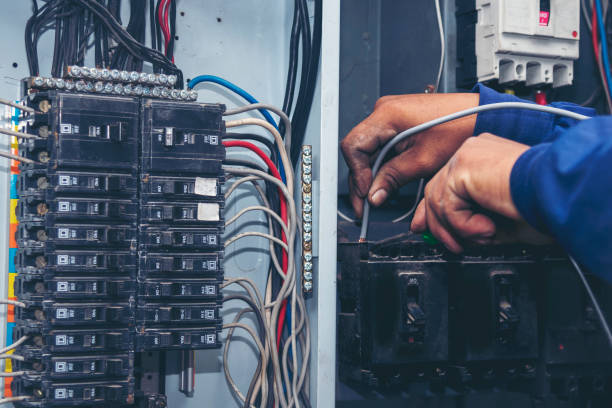
Hey Phoenix neighbors, it’s your local electrical pro, with over a decade of experience under my tool belt. I’ve spent years working in homes all across the Valley of the Sun—from the beautiful historic properties in Willo and Encanto, to the family homes in Chandler and Gilbert, and the sprawling estates in Scottsdale and Paradise Valley. And if there’s one thing I’ve learned, it’s that the humble electrical panel in your garage or closet is the unsung hero of your home. It’s also, when neglected, one of the biggest sources of anxiety and potential danger for homeowners.
You see, an electrical panel upgrade in Phoenix isn’t just a “nice-to-have” project you do when you have extra cash. In our city, where summer temperatures make our air conditioners the most valuable players in our homes, a modern, robust electrical panel is a critical investment in your family’s safety, your home’s functionality, and its future value.
The Phoenix area presents unique challenges. We have a mix of older homes built in the 70s and 80s, the relentless summer heat that puts an incredible strain on our power grid, the sudden power surges from monsoon storms, and an ever-growing appetite for modern electronics, smart home gadgets, and now, EV chargers. Your old panel just wasn’t built for this.
I created this guide because I believe every homeowner deserves to understand what’s going on behind their walls. We’re going to demystify the entire process, from identifying the warning signs to understanding costs, navigating the permit process with cities like Phoenix, Mesa, or Tempe, and choosing a qualified electrician you can trust. Let’s get you powered up for the future.
Is Your Phoenix Home Screaming for an Electrical Panel Upgrade? 7 Telltale Signs
Alright, let’s get down to brass tacks. You’re probably here because something just doesn’t feel right with your home’s electricity. Maybe it’s a nagging suspicion or maybe it’s an outright, in-your-face problem. As a guy who’s spent the last decade inside Phoenix-area homes, I can tell you that your house has a way of talking to you. When it comes to your electrical system, you need to listen. Ignoring it is like ignoring a rattlesnake on a hiking trail at South Mountain – it rarely ends well.
So, how do you know if it’s time for a full-blown electrical panel upgrade in Phoenix versus just a simple repair? Your home will give you clues. Here are the seven biggest signs I see every single week that tell me a panel is on its last legs and screaming for a modern replacement.
The Constant Battle with Tripping Breakers (Especially in Summer)
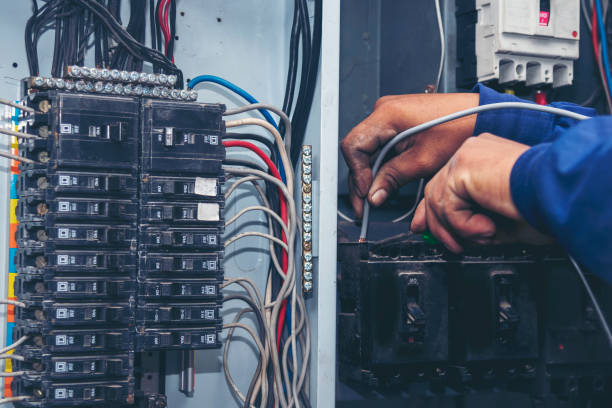
This is the big one. The classic. It’s 4 PM on a Tuesday in August. The sun is beating down, it’s a blistering 112 degrees outside, and your AC unit is working overtime, humming like a jet engine. You decide to fire up the microwave to heat up some leftovers, and poof. Silence. The AC cuts out, the TV goes black, and you’re plunged into a sudden, sweaty darkness. You sigh, grab a flashlight, and begin the all-too-familiar “walk of shame” to the garage to flip a breaker.
If this scenario sounds even remotely familiar, your home is practically begging you for help. A circuit breaker is a safety device, designed to trip and cut power when a circuit is overloaded. An occasional trip isn’t a crisis; it means the breaker is doing its job. But if it’s happening constantly, it’s a massive red flag. It’s not the breaker that’s the problem; it’s the fact that your power demands are exceeding what your old panel was ever designed to handle.
Think about it: a house built in Phoenix in the 1980s was designed for one TV, maybe a desktop computer, and an AC unit that was considered “efficient” for its time. Today? Your home is powering multiple big-screen 4K TVs, a network of smart speakers, a half-dozen computers and tablets, a high-tech fridge, and an air conditioner that has to fight against ever-hotter summers. You’re asking a 100-amp panel from 1985 to do the job of a 200-amp panel required for 2026 living. It just can’t keep up. That constant tripping is the most obvious sign that your panel’s capacity is maxed out.
That Old, Scary-Looking Fuse Box: A Relic of the Past
If you open your panel door and see a row of little glass-windowed, screw-in fuses instead of modern, switch-style breakers, we need to talk. Seriously. A fuse box is not just “old-fashioned”; it’s an active safety hazard in a modern Phoenix home. When a fuse “blows,” it must be replaced. The danger arises when homeowners, frustrated with frequent blowouts, replace a 15-amp fuse with a 20-amp or 30-amp one. This defeats the safety mechanism, allowing dangerous amounts of current through wires not designed for it, leading to overheating and potential fire. I’ve seen this in older homes in Sun City and parts of Glendale. Most insurance companies in Arizona now refuse to insure homes with active fuse boxes, making an upgrade a necessity, not a choice.
Flickering or Dimming Lights: Your Home’s Cry for More Power
Have you ever noticed the lights in your house do a little “dip” when the AC or the refrigerator kicks on? This isn’t a harmless quirk. It’s called “voltage sag,” and it’s your electrical system telling you it’s under strain. In a home with an older, undersized panel, a large appliance demanding power is like a big wave hitting a small boat. The voltage drops momentarily across all circuits. While a minor flicker isn’t an emergency, if it’s happening regularly, it’s a clear indicator that your panel is struggling to distribute power effectively, putting stress on your wiring and sensitive electronics.
You Can’t Use Your Toaster and Microwave at the Same Time
This is a classic symptom of an overloaded kitchen circuit, tied back to an inadequate panel. In modern homes, building codes require multiple dedicated circuits for kitchens to handle the load of our many appliances. In older homes, the entire kitchen might run on a single circuit. If you find yourself having to coordinate appliance use, it’s a sign that your home’s electrical infrastructure is outdated and can’t support your lifestyle. An upgrade would allow for the installation of new, dedicated circuits, giving you the freedom to make coffee and toast your bagel at the same time.
Planning a Major Renovation or Adding a Pool, EV Charger, or Casita
This is less of a warning sign and more of a non-negotiable trigger for an upgrade. If you’re planning to add significant electrical load, your current panel is almost certainly not up to the task.
- EV Chargers: A Level 2 EV charger requires a dedicated 240-volt circuit, a massive draw for any panel.
- Pools & Spas: The pumps, heaters, and lighting for a backyard pool in Ahwatukee or Peoria require substantial, dedicated power.
- Home Additions/Casitas: Adding square footage means adding more lights, outlets, and often a dedicated AC unit, all of which need to be powered from the main panel.
A panel upgrade isn’t just a part of these projects; it’s the foundational first step.
The Smell of Burning Plastic or Scorch Marks Near Your Panel
This is not a drill. If you smell burning plastic or see any discoloration or scorch marks on or around your electrical panel or outlets, it’s a sign of a dangerous electrical fault. Call a licensed electrician immediately. This smell often indicates that wire insulation is melting or that connections are overheating and arcing. Do not wait. This is a fire hazard, plain and simple.
Your Panel is a Federal Pacific, Zinsco, or Sylvania GTE – The Infamous “Fire Starters”
This is a critical, Phoenix-specific issue. Many homes built between the 1950s and 1980s were fitted with panels from these brands. These panels are notorious for having breakers that fail to trip during an overload or short circuit, which is their one and only job.
- Federal Pacific Electric (FPE) Stab-Lok: Widely documented to be a fire hazard.
- Zinsco/Sylvania-GTE: Known for breakers that melt to the main bus bar, meaning they can’t be turned off, even if the switch is flipped.
If you have one of these panels, you don’t need any other warning signs. Experts unanimously agree they should be replaced on sight. Go check your panel now. If you see one of these names, an electrical panel upgrade in Phoenix moves to the top of your home-improvement list.
The “Phoenix-Proof” Electrical Panel Upgrade: What You Actually Get
So, you’ve decided to take the plunge. But what does an “electrical panel upgrade” actually entail? It’s more than just swapping out a metal box. It’s about fundamentally enhancing your home’s power infrastructure to be safer, more capable, and ready for the future. Here’s what a proper, “Phoenix-Proof” upgrade looks like.
From 60 or 100 Amps to 200 Amps: Meeting Modern Power Demands
The most common upgrade I perform in the Valley is from an old 100-amp service to a new 200-amp service. This doubles your home’s electrical capacity. It’s the difference between a narrow two-lane dirt road and a four-lane paved highway. This extra capacity means you can run your AC, your pool pump, and your oven at the same time without a single breaker tripping. It provides the robust power needed for modern living and is now the standard for most new homes in the Phoenix area.
Why Arc-Fault (AFCI) and Ground-Fault (GFCI) Breakers Are Non-Negotiable in Arizona
Modern electrical codes are all about safety. An upgrade requires bringing your system up to the latest National Electrical Code (NEC) standards, which means installing two types of life-saving breakers:
- GFCI (Ground-Fault Circuit Interrupter): These protect you from shock. They are required in “wet” locations like kitchens, bathrooms, garages, and outdoor outlets. They detect when electricity is flowing through an unintended path (like a person) and shut off the power in a fraction of a second.
- AFCI (Arc-Fault Circuit Interrupter): These protect you from fire. They detect dangerous electrical arcs—tiny sparks within walls caused by damaged wires or loose connections—and shut down the circuit before a fire can start. The NEC now requires them on almost all circuits in a home. A new panel is your chance to get this vital protection.
(Whole-Home Surge Protection: Your Best Defense Against Monsoon Season
We all know what monsoon season is like in Phoenix. The spectacular lightning shows are beautiful from a distance, but a nearby strike can send a massive power surge through the utility lines, frying every sensitive electronic device in your home. A whole-home surge protector is installed directly in your new panel. It acts as a gatekeeper, stopping these damaging surges before they can enter your home’s wiring, protecting everything from your expensive OLED TV to your refrigerator’s circuit board. It’s a small investment that can save you thousands.
(Making Room for the Future: Solar, EV Chargers, and Smart Homes
A panel upgrade is about future-proofing. A new 200-amp panel with plenty of empty slots means you’re ready for whatever comes next.
- Solar Ready: If you’re considering going solar (a no-brainer in sunny Arizona), your new panel will be ready to integrate with the solar system and the grid.
- EV Charger Ready: That new electric Ford F-150 Lightning or Tesla won’t be much good without a fast Level 2 charger. Your new panel will have the capacity and space to add that dedicated circuit easily.
- Smart Home Ready: As you add more smart devices, you’ll have a stable and robust electrical foundation to power them all reliably.
Understanding Load Calculations for Your Phoenix-Area Home
A professional electrician doesn’t just guess what size panel you need. We perform a “load calculation.” This is a detailed analysis of your home’s square footage, appliances, AC unit size, and potential future needs. It’s a formula-based approach defined by the NEC to ensure the new service is perfectly sized for your specific home, whether it’s a compact bungalow in Coronado or a large family home in Litchfield Park.
(Panel Relocation: Getting it Out of That Hot Garage Closet
In many older Phoenix homes, panels were installed in the worst possible places, like cramped, hot laundry rooms or closets. Current codes have strict clearance requirements (space in front of and around the panel). An upgrade is the perfect opportunity to relocate the panel to a more accessible and safer location, like the main wall of the garage, ensuring it’s both convenient and up to code.
Navigating the Cost of an Electrical Panel Upgrade in Phoenix: What’s a Fair Price?
This is the question on everyone’s mind. Let’s be direct: a panel upgrade is a significant investment. But it’s also one of the most important you can make for your home’s safety and value. The price can vary, but I want to give you a transparent look at the real costs involved here in the Phoenix market.
Breaking Down the Costs: Labor, Materials, and Permits
The final price you pay is a combination of three main things:
- Materials: This includes the new panel itself, the main breaker, all the individual circuit breakers (AFCI/GFCI breakers are more expensive but required), the weather-proof meter socket outside, new grounding rods, and heavy-gauge wire.
- Labor: You’re paying for the expertise of a licensed electrician and usually a helper for a full day’s work. This includes the skilled, and sometimes risky, work of disconnecting the old system, installing the new one, and coordinating with the utility company.
- Permits: The electrical permit fee paid to your specific city (Phoenix, Scottsdale, Tempe, Mesa, etc.) ensures the work is reviewed and inspected by a third-party city inspector.
The “Ballpark”: Average Cost Ranges for a 200-Amp Upgrade in Phoenix
As of late 2025/early 2026, for a standard-like-for-like 200-amp main panel upgrade in the Phoenix metro area, you can generally expect the cost to be in the range of $3,500 to $7,000.
Why such a wide range? Because every project is different. A simple, straightforward swap in an easy-to-access garage will be on the lower end. A complex job that requires moving the panel, extensive rewiring, or repairing stucco on the outside of your house will be on the higher end.
Factors That Increase the Price: Stucco Repair, Trenching, and Code Updates
Here are the common culprits that can increase the cost:
- Panel Relocation: Moving the panel from a closet to a garage wall involves more labor and materials.
- Stucco/Drywall Repair: If the new panel is a different size or location, you’ll have to patch and paint the wall. Some electricians include this; others don’t.
- Trenching: If your electrical service is underground and the main feeder line needs to be replaced, this requires digging a trench from the utility connection to your house, which adds significant cost.
- Major Code Corrections: Sometimes, an upgrade reveals other hidden issues that must be fixed to pass inspection, like improper grounding or outdated wiring in the immediate area.
Why the Cheapest Quote is Often the Most Expensive Mistake
I can’t stress this enough. If you get three quotes and one is dramatically lower than the others, run. Unscrupulous contractors cut corners by not pulling permits (a huge red flag!), using cheap, non-compliant materials, or not using licensed electricians. A failed inspection or a faulty installation will cost you far more to fix in the long run and puts your home at risk. This isn’t the place to save a few hundred dollars.
Rebates and Incentives: Checking with APS and SRP for Savings
It’s always worth checking with your utility provider. Both APS (Arizona Public Service) and SRP (Salt River Project) occasionally offer rebates or programs related to energy efficiency and home safety upgrades. While direct rebates for panel upgrades are rare, they may have programs for related projects like EV charger installation that can offset some costs. A quick search on their websites is always a good idea.
Is an Electrical Panel Upgrade a Good Return on Investment (ROI) for Phoenix Homes?
Absolutely. While it might not have the flashy appeal of a kitchen remodel, it provides ROI in several ways:
- Safety: You can’t put a price on preventing a house fire.
- Insurability: It makes your home easier and cheaper to insure.
- Functionality: You can finally use your home’s electronics without worry.
- Resale Value: A new panel is a huge selling point. It tells potential buyers the home is safe, modern, and ready for the future. Many home inspectors will flag old panels, forcing the seller to upgrade anyway. Doing it on your own terms is always better.
The Upgrade Process From Start to Finish: A Phoenix Homeowner’s Timeline
Okay, you’ve seen the signs, you understand the benefits, and you’ve budgeted for the cost. What actually happens when you hire a professional for an electrical panel upgrade in Phoenix? It’s a well-defined process. Here’s a step-by-step look at what you can expect.
Step 1: The Initial Consultation and On-Site Assessment
It starts with a phone call. You’ll schedule a time for a licensed electrician to come to your home. This initial meeting is crucial. We’ll inspect your current panel, identify the brand and amperage, check your grounding system, and discuss your current and future electrical needs. Are you planning to get an electric car? Do you want to put a hot tub in the backyard? This is the time to talk about it. Based on this assessment, we’ll provide you with a detailed, written quote outlining the full scope of work.
Step 2: Pulling the Right Permits with the City of Phoenix (or Scottsdale, Mesa, etc.)
Once you approve the quote, your electrician handles the paperwork. We submit a plan to your city’s building department and pull an electrical permit. This is a non-negotiable step. The permit ensures that the work is done to the current safety code and will be inspected by an independent city inspector. Any electrician who says you don’t need a permit is cutting corners and should be avoided.
Step 3: Coordination with Your Utility Provider (APS or SRP)
Your electrician will coordinate with either APS or SRP to schedule a “disconnect/reconnect.” This is when the utility company will come to your home to shut off the power from the street, allowing us to work safely. They will then return after the job is done and has passed inspection to turn the power back on.
Step 4: The Day of the Upgrade – What to Expect (The Power Will Be Out!)
This is the main event. The process typically takes a full day (6-10 hours).
- Morning: The electrical crew arrives. The first thing they do is wait for the utility to cut the power. Your home will be completely without electricity for the entire duration of the work. Plan ahead! Charge your phones, make your coffee beforehand, and plan to eat out or grill for dinner.
- Mid-day: The old panel is carefully removed. The new, larger panel is mounted, and the complex process of connecting the main service lines and all the individual circuits begins. New grounding rods are driven into the earth to create a safe path for fault current.
- Afternoon: The work is completed, the panel is labeled, and the area is cleaned up. We then call the city for our inspection.
) Step 5: The Final Inspection and Green Tag Approval
A city inspector will arrive to review the work. They will check to make sure the installation meets all NEC and local code requirements—proper breaker types, correct wire gauges, secure mounting, proper grounding, etc. Once they approve the work, they will sign off on the permit and place a “green tag” on the new panel. This is the official seal of approval. The utility company will not reconnect your power without this approval.
) Step 6: The Walkthrough – Understanding Your New, Powerful Panel
After the power is restored, your electrician should walk you through your new panel. We’ll show you the main breaker, explain what each circuit breaker controls (we create a new, legible directory), and show you how to reset them. We’ll explain the features of your new AFCI/GFCI breakers and your whole-home surge protector. You’ll no longer have a mysterious, intimidating metal box; you’ll have a clean, organized, and powerful new heart for your home’s electrical system.
Choosing the Right Licensed Electrician for Your Phoenix Panel Upgrade (And Avoiding Scams)
The success and safety of your project depend almost entirely on the quality of the professional you hire. The Phoenix market has many great electricians, but it also has its share of unqualified handymen and outright scammers. Here’s how to tell the difference and choose a pro you can trust with your home and your family’s safety.
“Licensed, Bonded, and Insured” – What This Actually Means in Arizona
You see this phrase everywhere, but what does it mean?
- Licensed: In Arizona, electricians are licensed by the Arizona Registrar of Contractors (ROC). This means they have passed exams, proven their experience, and have no unresolved complaints.
- Bonded: The contractor has a surety bond, which is a financial guarantee that protects you, the homeowner, if the contractor fails to complete the job or does shoddy work.
- Insured: They carry general liability insurance to cover any accidental damage to your property and workers’ compensation insurance so you aren’t liable if one of their employees gets hurt on your property.
Never, ever hire anyone who cannot provide proof of all three.
Checking the ROC (Registrar of Contractors) Number: Your Ultimate Vetting Tool
Every legitimate contractor in Arizona has an ROC license number. Ask for it. Then, go to the AZ ROC website (roc.az.gov) and look them up. You can see if their license is active, what classification it is (you want a residential electrical contractor, C-11 or R-11), and if they have any complaints filed against them. This five-minute check is the single best thing you can do to protect yourself.
Red Flags to Watch For: High-Pressure Sales, Vague Quotes, and Cash-Only Deals
Be wary of:
- High-Pressure Tactics: “This price is only good for today!” A professional will give you a written quote that is valid for a reasonable amount of time.
- Vague Quotes: The quote should be detailed, listing the exact work to be done and the materials to be used. A quote that just says “Panel upgrade – $4,000” is a red flag.
- Cash-Only Deals: A large discount for paying cash is often a sign that the contractor is not paying taxes or, worse, is trying to do the job without a permit.
- Refusal to Pull a Permit: Anyone who says “You don’t need a permit for this” or “It’s cheaper without a permit” is telling you they are willing to break the law and ignore safety codes. Run away.
Questions to Ask Every Electrician Before You Hire Them
- Are you licensed, bonded, and insured in Arizona? Can I see your ROC number?
- Will you be pulling a permit for this job?
- Does your quote include the cost of the permit and all materials?
- Are you using AFCI and GFCI breakers as required by code?
- Who will be performing the work? You or your employees?
- What brand of panel and breakers do you use (e.g., Square D, Eaton, Siemens)?
- What is your warranty on labor and materials?
The Importance of Local Experience: Why a Phoenix Pro Matters
Hiring an electrician who is familiar with the Phoenix area is a huge advantage. They will know the specific requirements of the local utility companies (APS vs. SRP), be familiar with the permitting process in Phoenix, Scottsdale, Mesa, etc., and understand the common issues found in homes of a certain age in neighborhoods like Arcadia or South Phoenix. This local knowledge streamlines the entire process.
Reading Reviews and Asking for Referrals in Your Neighborhood
Check their reviews on Google, Yelp, and the Better Business Bureau. Don’t just look at the star rating; read the actual reviews. Look for comments about communication, professionalism, and how they handled any issues that arose. Ask for referrals from friends or neighbors in your community who have had similar work done. A good reputation is earned.
Frequently Asked Questions About Panel Upgrades
Here are some quick answers to the most common questions I get from homeowners across the Valley.
- How long does an electrical panel upgrade take?
The on-site work itself typically takes one full day, usually between 6 to 10 hours. The entire process, from consultation to final inspection, can take a week or two, depending on permit processing times. - Will I be without power during the entire process?
On the day of the upgrade, yes. You can expect to be without power for the full 6-10 hours while the electricians are working. Plan accordingly. - Is a permit always required for a panel upgrade in Phoenix?
Yes. 100% of the time. Replacing or upgrading your main electrical panel is major electrical work and always requires a permit and a subsequent inspection to ensure it was done safely and to code. - Can I upgrade my electrical panel myself?
Legally, in Arizona, a homeowner can sometimes pull a permit to do their own electrical work. However, I strongly advise against it for a panel upgrade. This is high-voltage work that is extremely dangerous. It requires deep knowledge of the NEC, coordination with the utility, and is best left to a licensed professional. One mistake can result in electrocution or a house fire. - How often should an electrical panel be replaced?
Modern panels can last 30 years or more. However, the real question is not its age, but whether it can meet your home’s electrical demands. Most homes are upgraded not because the panel is “old,” but because it’s “undersized” for modern needs. The exception is for known hazardous panels like FPE or Zinsco, which should be replaced immediately regardless of age. - Will a new panel increase my home’s value?
Yes. It’s a significant selling point. It gives potential buyers peace of mind, knowing the home’s electrical system is safe, modern, and capable of handling their needs. It removes a major objection that could come up during a home inspection.
Ready to Power Up Your Phoenix Home?
An electrical panel upgrade is one of the smartest investments you can make. It protects your family, enables your modern lifestyle, and secures your home’s value. If you’ve been seeing any of these warning signs, don’t wait for a small problem to become a disaster.
If you’re in Phoenix or the surrounding areas and want a professional, no-pressure assessment of your electrical panel, give us a call. We’d be happy to answer your questions and help you figure out the safest path forward for your home. Contact us today!
Let’s dive deeper into the specifics that truly matter to a Phoenix homeowner. It’s one thing to know you need an upgrade; it’s another to understand the nuances that make your project successful and your home genuinely safer.
When we talk about the constant battle with tripping breakers, especially during our brutal summers, it’s important to understand the chain reaction happening inside your walls. Your air conditioner is the single biggest energy consumer in your home. When it kicks on, it draws a massive amount of current for a few seconds, known as “inrush current.” An old, weak 100-amp panel might handle this on a good day. But on a 115-degree afternoon in July, your AC is running almost constantly. Now, add the load from your refrigerator cycling on, your kids firing up the Xbox in the living room, and your spouse starting a load of laundry. Each of these devices adds to the total load. The breaker trips not out of spite, but as a desperate act of self-preservation. It’s the panel’s way of screaming, “I can’t handle this much work!” This chronic stress on the system doesn’t just wear out the breakers themselves; it heats up the connections on the panel’s main bus bar. Over time, this heating and cooling cycle can loosen these critical connections, creating a point of high resistance, which in turn generates even more heat. This is a dangerous, self-perpetuating cycle that can eventually lead to catastrophic failure.
Let’s expand on the “Phoenix-Proof” concept, particularly regarding whole-home surge protection. Many people think of power surges only during a monsoon storm, but they happen far more frequently. The power grid itself, managed by giants like APS and SRP, experiences minor fluctuations constantly as load is shifted across different neighborhoods. Heavy industrial equipment turning on and off miles away can send small surges down the line. While these mini-surges won’t fry your TV instantly, they cause cumulative damage to the sensitive microprocessors in all your modern electronics. Think of it as death by a thousand cuts for your appliances. A whole-home surge protector installed at the panel acts as a vigilant guardian, filtering out not just the massive, lightning-induced surges, but also these smaller, everyday electrical “bumps.” It dramatically extends the lifespan of everything you plug in, from your coffee maker to your computer. For a few hundred dollars added to your panel upgrade project, you’re essentially buying an insurance policy for every electronic device in your home.
Now, let’s talk about something that’s becoming increasingly important in neighborhoods all over the Valley, from the new builds in Queen Creek to the established homes in Tempe: future-proofing for the green energy revolution. Arizona is the sunniest state in the nation, making solar power an incredibly smart investment. However, tying a solar system into an old, maxed-out panel is often impossible or unsafe. A proper solar installation requires a dedicated breaker to “back-feed” the power your panels generate into your home and potentially back to the grid. A new 200-amp panel is designed with this in mind. Many modern panels are even labeled “solar ready,” featuring a bus bar specifically engineered to handle this two-way flow of electricity. By upgrading your panel before you go solar, you save yourself a massive headache and additional cost down the line. The same exact logic applies to Electric Vehicle (EV) chargers. A Level 2 charger, which can charge your car overnight, requires a dedicated 40, 50, or even 60-amp, 240-volt circuit. That’s a huge load—often half the entire capacity of an old 100-amp panel! Trying to squeeze this into an old panel is not just impractical; it’s a fire code violation and incredibly dangerous. Your new 200-amp panel provides the space and the capacity to add this circuit correctly and safely.
Let’s circle back to the cost, because it’s a major factor for everyone. It’s crucial to understand what a detailed, professional quote looks like versus a “back of the napkin” estimate. A proper quote from a reputable Phoenix electrician will be a line-itemed document. It will explicitly state the brand of the panel being installed (e.g., Square D QO, Eaton CH, Siemens), the total amperage (e.g., 200A), and the number of circuits. It will specify that new grounding rods and a new connection to your water main will be installed to meet modern grounding requirements. It will list the permit fee for your specific city (the fee in Scottsdale might be different from the fee in Mesa) as a separate line item. It will also clearly state what is not included. For example, most standard quotes do not include the cost of extensive drywall or stucco repair. A good contractor will be upfront about this, explaining that if they need to cut into a wall to move the panel, you will need a separate drywall contractor to patch and paint it afterward. This transparency is a hallmark of a true professional. They aren’t trying to hide costs; they are trying to give you a complete and honest picture of the entire project.
Finally, let’s touch on the inspection process again, because it’s the part that guarantees your safety. The city inspector is your advocate. They don’t work for the electrical contractor; they work for you and the city to enforce safety standards. When the inspector arrives, they follow a rigorous checklist. They will check that the main breaker’s size matches the service wire’s capacity. They will verify that the panel is securely mounted and has the mandatory 3-foot clearance in front of it. They will tug on the grounding wire to ensure it’s properly connected. They will even test the AFCI and GFCI breakers to make sure they trip when they’re supposed to. This is why hiring a contractor who insists on pulling a permit is so vital. It forces them to do the work correctly, because they know a third-party expert is going to scrutinize every detail. A contractor who wants to skip the permit is essentially saying, “I don’t want a second opinion on my work.” That should tell you everything you need to know. Your family’s safety is worth the permit fee, every single time.
Leave A Comment